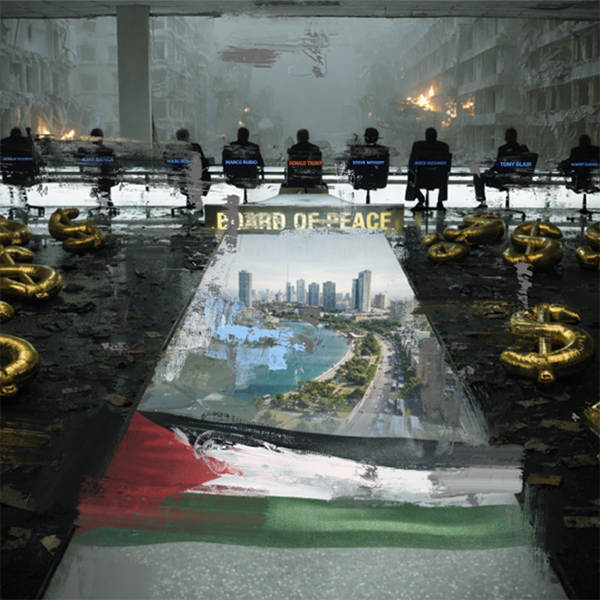
this
is
Sajil, Ana Arabi
this is
Sajil, Ana Arabi
Colonialism is designed to dehumanize and instill subservience, convincing the indigenous that they need their oppressor to become civilized. But Palestinians are a proud people. Their identity and heritage is a sacred source of strength, one that they weave throughout their art, culture, and writing.
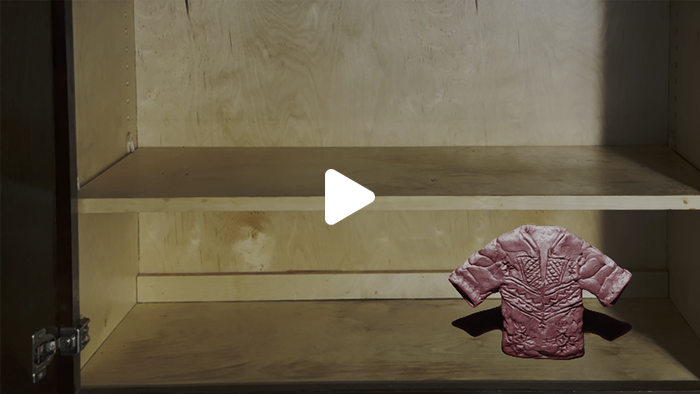
Family Heirlooms is a study of artifacts throughout Palestinian cultures and history. The items shared in the animation are a Phoenician Ring Jug, a Canaanite Bull, an olive tree and Nabulsi Soap, a Kiernos Ring, and a Thobe.
The Phoenician Ring Jug pulls from the Phoenician presence in the north of Palestine, where the ceramic vessel contains wine that spills from itself into the space around it. The Canaanite Bull is a bronze sculpture for religious worship to pray to Canaanite gods of fertility and strength - while Palestine was the homeland of the Abrahamic faiths, there were many religions that existed within its history, with Canaanites living throughout Palestine and the Fertile Crescent’s coasts. To this day, olives have a huge cultural significance within modern and historical Palestine, with groves of Olive trees existing for centuries. From the harvesting of the olive, this stone fruit is processed into olive oil, and can then be turned into soap, known as Nabulsi Soap, originally created in Nablus over 1,000 years ago. Previous ancient cultures have used Kiernos Rings, a libation vessel containing several items represented within it. Represented in this Kiernos Ring is a cup, doves, pomegranates, jugs, and a gazelle head. Water would be poured into the cup and then it would circulate to the other objects within the ring, and this was used for religious purposes as well. Finally, a Palestinian Thobe (also known as a Thawb) is a tunic traditionally worn by women in Palestine. Adorned with Tatreez, a type of Palestinian embroidery, this clothing exists throughout the SWANA region for generations.
Each item pulls from a different era in Palestinian history, exploring the vast span of cultures and people that were present within the land. By showing how they were interacted with and animating them to life, we can explore a representation of the works within the people’s lives.
Faraz Ghorbanpour is an Iranian-American artist who uses stop-motion animation to reflect the realities of living in a slowly crumbling world. Through animations that explore yearning, grief, and desire among American Gen Z audiences, he draws on lived experiences of capitalism, separation, and longing for a better world. Born in Chicago, Illinois, in 1998 and raised in the Washington, D.C., metropolitan area, he has watched the aspirations and visions of those around him shift with age, even as deeper desires remain consistent. What was promised to younger generations has not come to fruition, creating space for him to develop clay-based animations within an entirely digital world. Ghorbanpour brings stop-motion into online spaces, placing physical media in worlds that exist through technology, alongside generative and digital augmentation. Through these tools, his work asks viewers to consider their relationship to wanting a better world in a time of malaise.

The term “Palestine” became firmly established in Roman usage after the Bar Kokhba Revolt, when the emperor Hadrian reorganised the province of Judea and renamed it Syria Palaestina (c. 135 CE). From that point on, the name referred to a region of the southern Levant, used over the centuries in different contexts but maintaining a recognisable geographical continuity between the Mediterranean, the Jordan River, and inland areas.
Within this same space, tatreez, the traditional Palestinian embroidery, developed. Between the Ottoman period and the early 20th century, it became a visual language of the territory: patterns, colours, and techniques varied from village to village, turning garments into a form of “textile geography” that indicated origin and belonging. With the British Mandate of Palestine, the name also acquired an official political-administrative definition, while embroidery remained a deeply rooted everyday practice in rural life.
After the 1948 war and the creation of the State of Israel, the historical territory of Palestine was fragmented. From 1967, with the Six-Day War, Israel took control of the West Bank, East Jerusalem, and the Gaza Strip, territories internationally referred to as the Palestinian territories. The majority of the international community considers these territories to be occupied, while their legal and political status remains highly disputed.
In this context, the Palestinian population experiences different conditions depending on the area: in the West Bank there are restrictions on mobility, settlements, and a complex administrative system; in Gaza, since 2007, the blockade and recurring conflicts have had a severe impact on living conditions. At the same time, Palestinians claim political rights and the right to self-determination, recognised in various international resolutions but not yet fully realised. Today, tatreez is recognised as a symbol of cultural resistance and, in 2021, it was inscribed on the UNESCO Representative List of the Intangible Cultural Heritage of Humanity. In both the diaspora and the Palestinian territories, it has become a form of cultural memory and continuity of identity.
Created for the project “return()” and the exhibition “Still Here.”
p.i.x.e.l.l.a.r.e. is the digital art practice of a graphic and product designer working across 2D to 4D. Trained under A.G. Fronzoni, he approaches design as a social contract. Whether creating a digital installation or building an exhibition space, his goal remains constant: to create beauty that serves people and contributes to a better world. He favours collaboration over individual ego, approaching the complexity of design alongside a trusted circle of artists, friends and creative professionals.
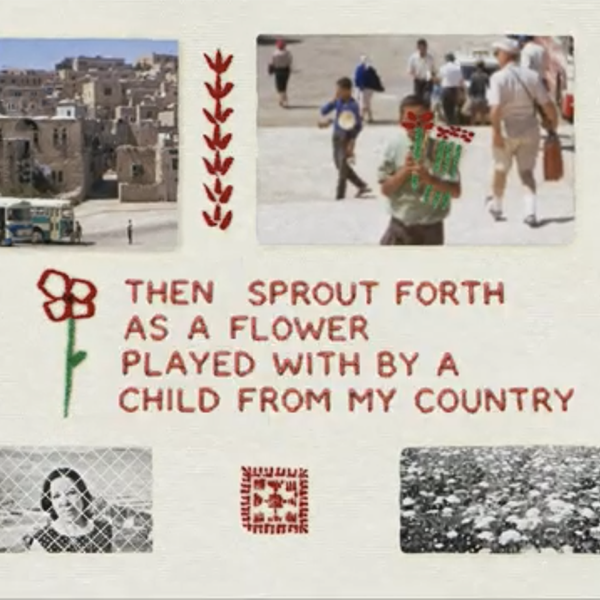
A visual take on the poem "Enough for me" by Fadwa Tuqan (1917–2003). It uses photos of Palestine, flowers from the land, and pictures of the poet to honor her legacy.
lesCogumelos is a multidisciplinary artist working with mixed-media animated collages. Inspired by biodiversity, nomadism, and the quiet of solitude, her work explores the bridge between physical experiences and digital invention. By experimenting with different mediums, she captures the essence of impermanence, turning fragments of the everyday into portals where the line between reality and fantasy blurs. It’s an invitation to notice where the real world ends and a deeper, more magical nature begins.
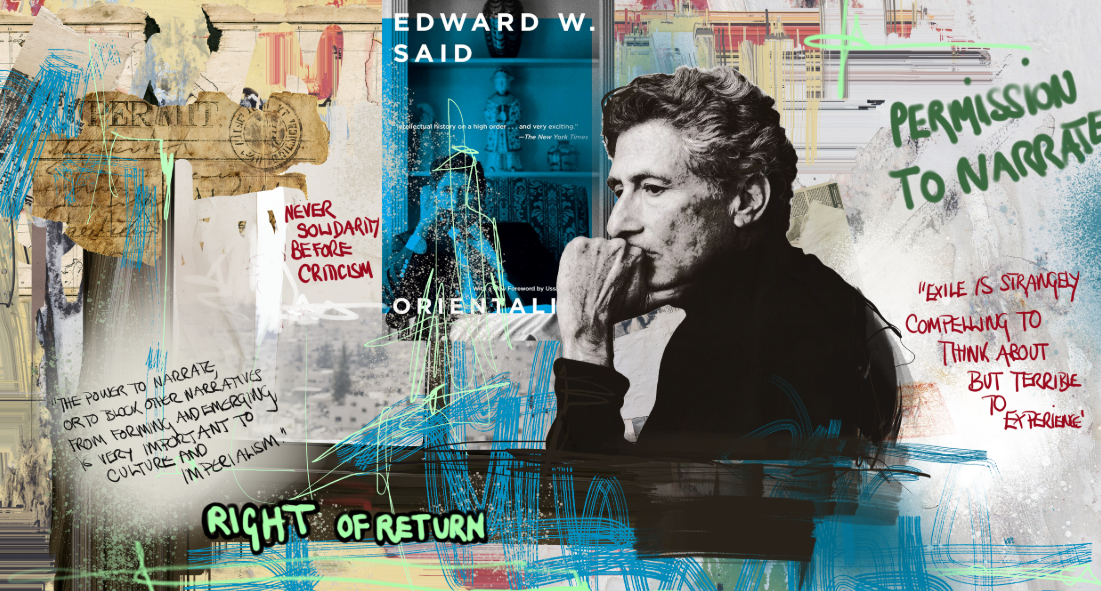
Miss AL Simpson is an award-winning OG cryptoartist and pioneer of AI Cinema, recognised for her role in shaping the evolution of crypto-native and machine-authored art. Her work has been featured by The Washington Post, CNBC and the Financial Times, and exhibited internationally across London, New York, Berlin, Paris, Tokyo and Vancouver.
In 2025, Simpson exhibited AI Cinema work with Sotheby’s New York. Described by Bonhams as “a leading protagonist in the digital avant-garde,” her practice spans analogue ink intervention, digital graffiti, cinematic moving image, blockchain and custom-trained AI systems. Her work explores authorship, surveillance, decentralisation, femininity and post-human identity.
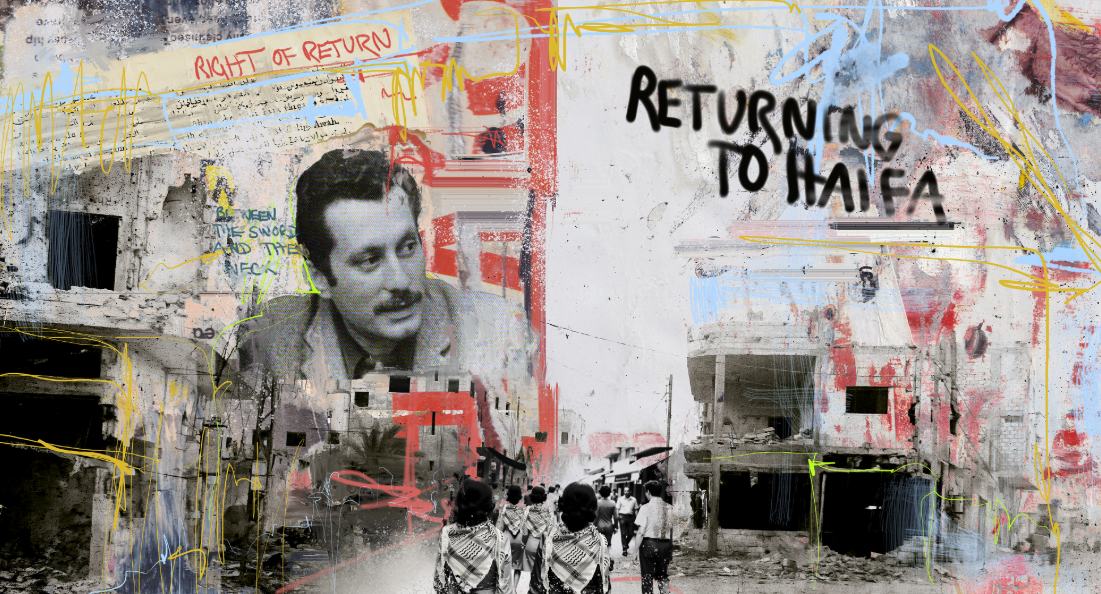
Miss AL Simpson is an award-winning OG cryptoartist and pioneer of AI Cinema, recognised for her role in shaping the evolution of crypto-native and machine-authored art. Her work has been featured by The Washington Post, CNBC and the Financial Times, and exhibited internationally across London, New York, Berlin, Paris, Tokyo and Vancouver.
In 2025, Simpson exhibited AI Cinema work with Sotheby’s New York. Described by Bonhams as “a leading protagonist in the digital avant-garde,” her practice spans analogue ink intervention, digital graffiti, cinematic moving image, blockchain and custom-trained AI systems. Her work explores authorship, surveillance, decentralisation, femininity and post-human identity.
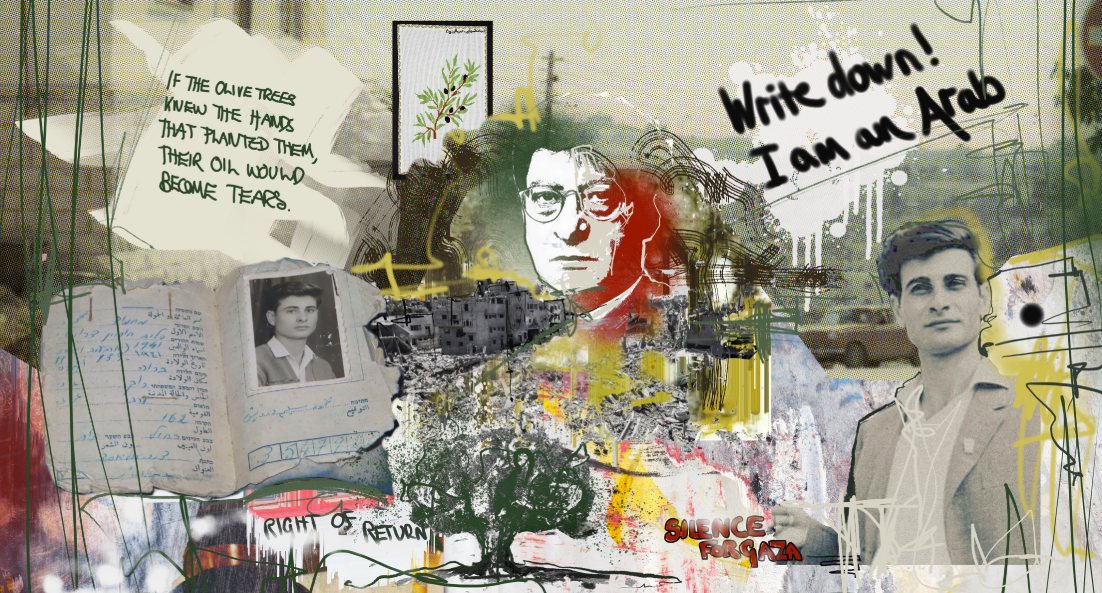
Miss AL Simpson is an award-winning OG cryptoartist and pioneer of AI Cinema, recognised for her role in shaping the evolution of crypto-native and machine-authored art. Her work has been featured by The Washington Post, CNBC and the Financial Times, and exhibited internationally across London, New York, Berlin, Paris, Tokyo and Vancouver.
In 2025, Simpson exhibited AI Cinema work with Sotheby’s New York. Described by Bonhams as “a leading protagonist in the digital avant-garde,” her practice spans analogue ink intervention, digital graffiti, cinematic moving image, blockchain and custom-trained AI systems. Her work explores authorship, surveillance, decentralisation, femininity and post-human identity.
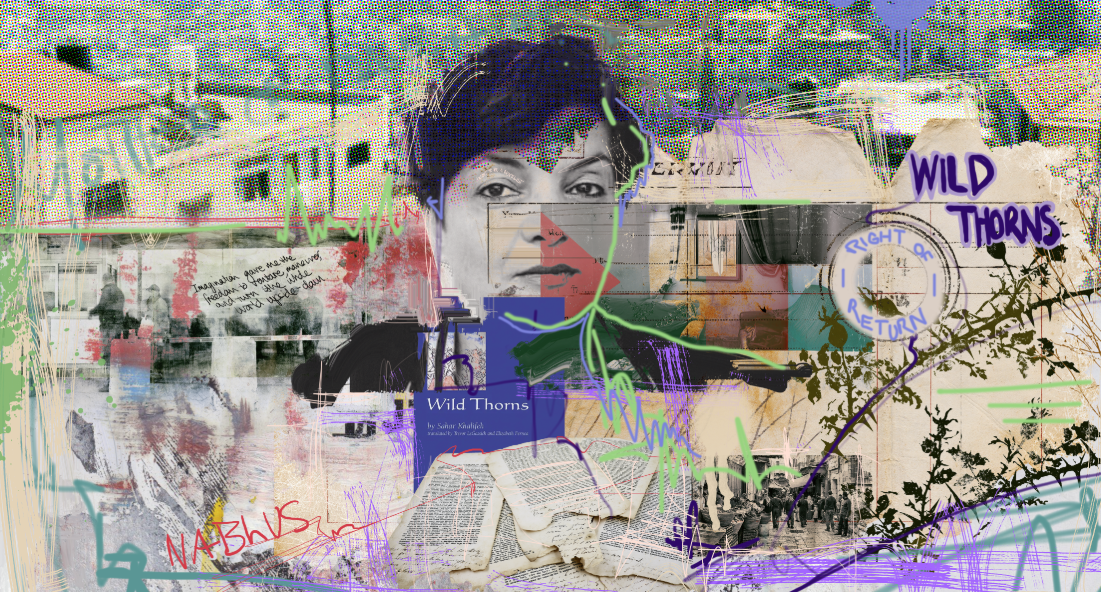
Miss AL Simpson is an award-winning OG cryptoartist and pioneer of AI Cinema, recognised for her role in shaping the evolution of crypto-native and machine-authored art. Her work has been featured by The Washington Post, CNBC and the Financial Times, and exhibited internationally across London, New York, Berlin, Paris, Tokyo and Vancouver.
In 2025, Simpson exhibited AI Cinema work with Sotheby’s New York. Described by Bonhams as “a leading protagonist in the digital avant-garde,” her practice spans analogue ink intervention, digital graffiti, cinematic moving image, blockchain and custom-trained AI systems. Her work explores authorship, surveillance, decentralisation, femininity and post-human identity.
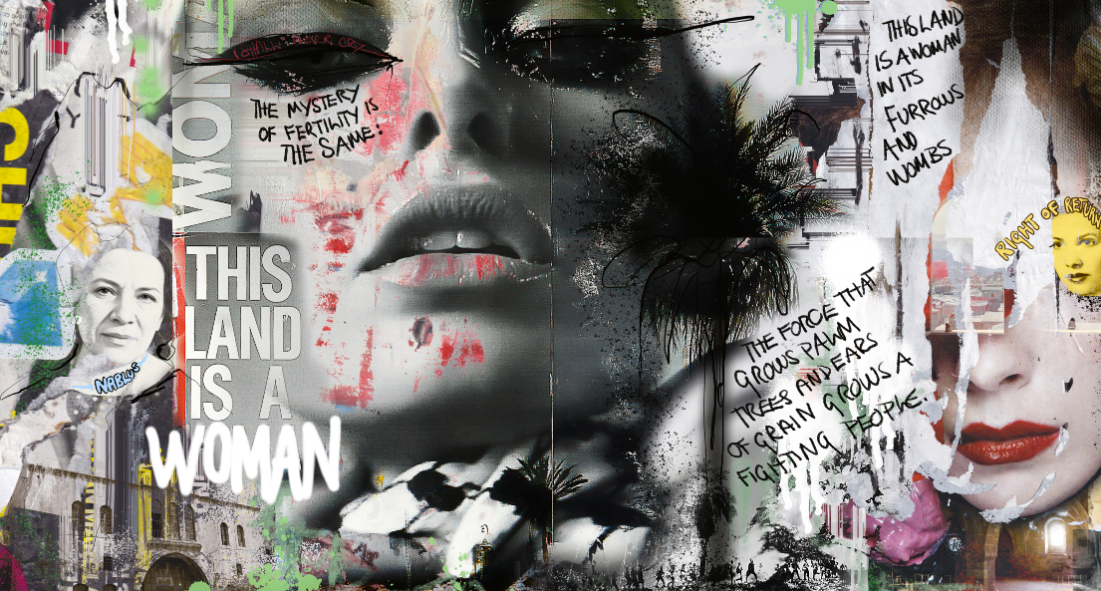
Miss AL Simpson is an award-winning OG cryptoartist and pioneer of AI Cinema, recognised for her role in shaping the evolution of crypto-native and machine-authored art. Her work has been featured by The Washington Post, CNBC and the Financial Times, and exhibited internationally across London, New York, Berlin, Paris, Tokyo and Vancouver.
In 2025, Simpson exhibited AI Cinema work with Sotheby’s New York. Described by Bonhams as “a leading protagonist in the digital avant-garde,” her practice spans analogue ink intervention, digital graffiti, cinematic moving image, blockchain and custom-trained AI systems. Her work explores authorship, surveillance, decentralisation, femininity and post-human identity.
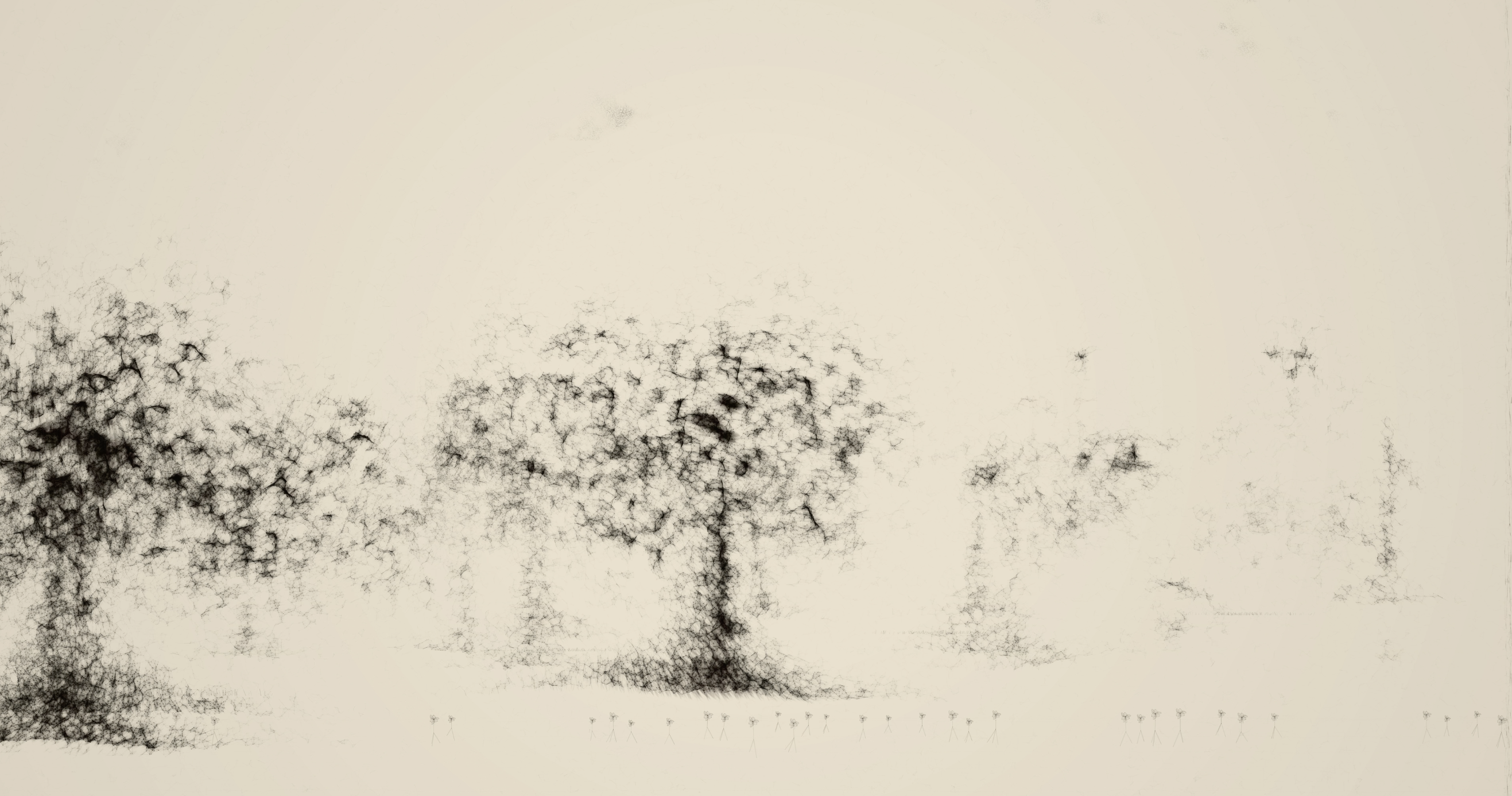
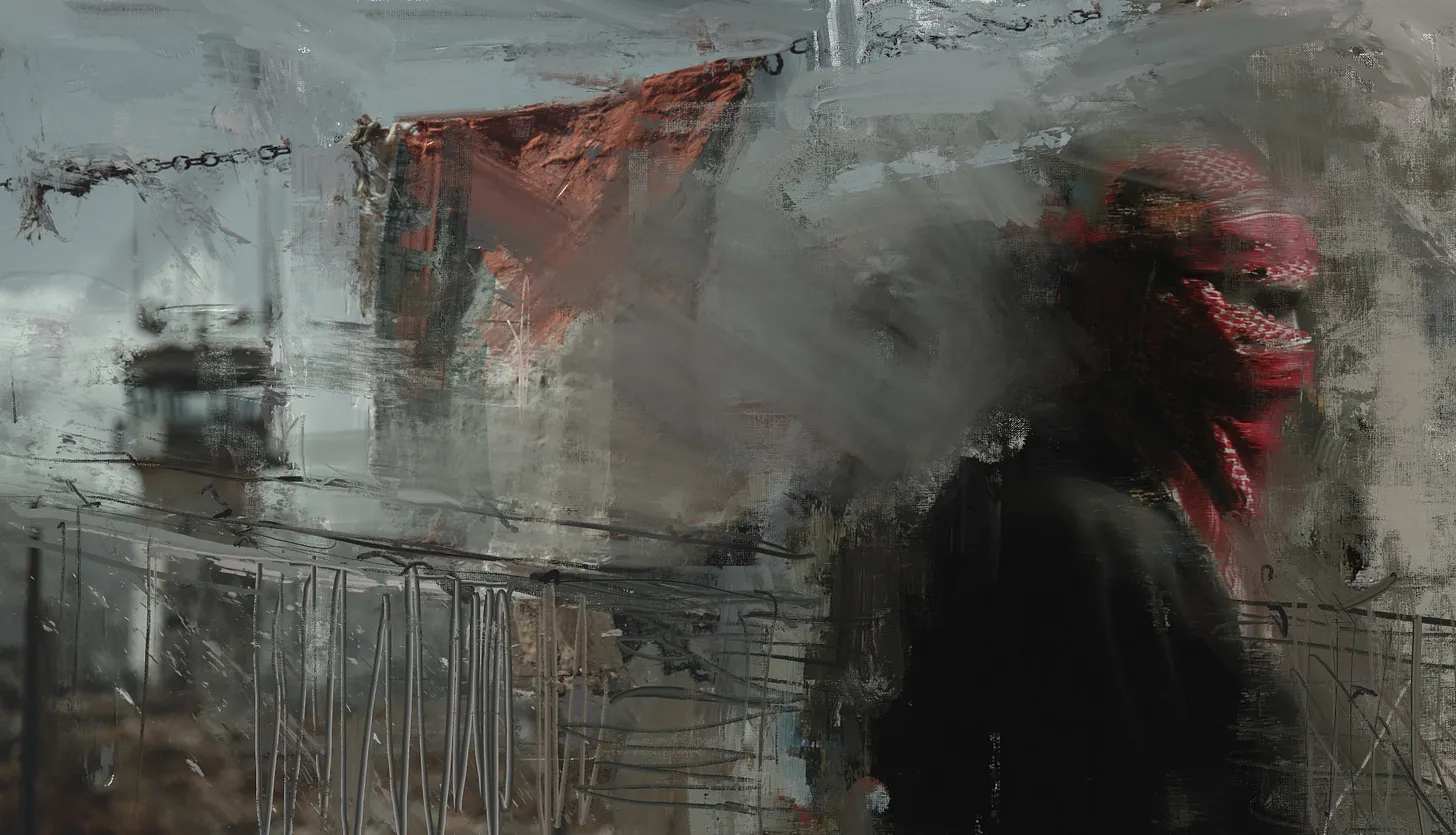
Generative artwork of olive groves using the information about the Gaza genocide martyrs. Every output is influenced by the martyrs’ age to create a grove. The olive tree is a staple symbol of Palestinian resistance, and the artwork is meant to honor the trees that should have grown with the people of the land.
TJO, is an artist who explores obsessive-compulsive disorder as territory through performative gestures and image-making. Born in Chicoutimi, his art is defined by the exploration of the image as an autofictional world, inspired by the myths of the Kuekuatsheu¹ and the Memekueshu². Through these figurations of mythical components, he seeks to explore the power of the imaginary as a driver of healing and its relationship to territory.
TJO fuses different plastic techniques to embody the notions of transition, distortion and erasure. He uses collage, dance and video installations to materialize the tensions between territory and spirituality. This diversity of mediums allows him to explore his internal dialogue in depth through various performative protocols.
As a member of the Mashteuiatsh community, he questions the links between territorial disconnection and our relationship with ourselves. Could the imaginary be a territory in itself, reflecting our respect for the environment? Is it possible to reconcile the human ego with the ancient myths that once guided our steps? These questions accompany him throughout his work.
¹ Innu word for the wolverine. A structuring mythical figure in oral tradition ² Innu word for the spirits of the rocks. A mythical figure and trickster on Nitassinan
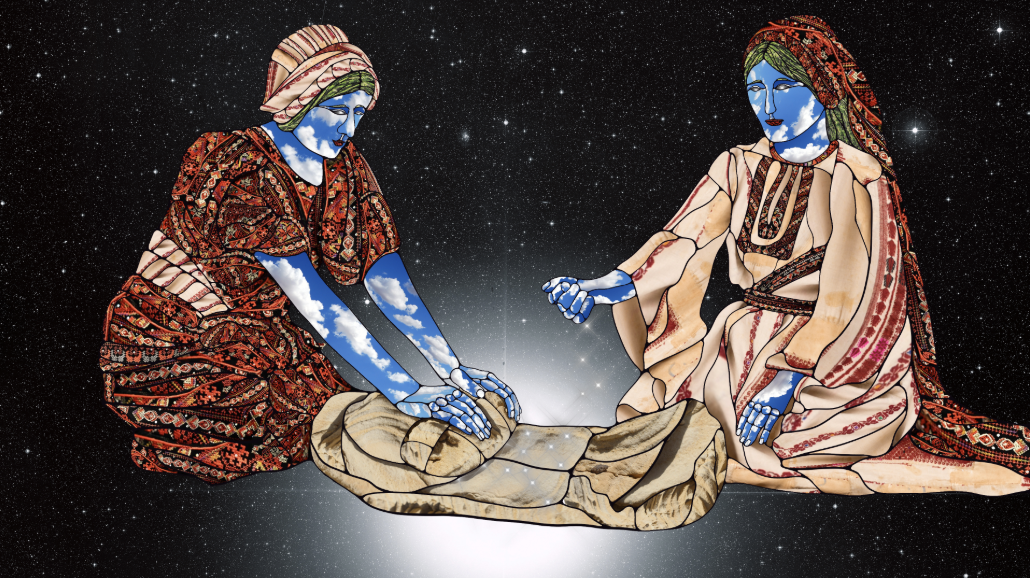
In my search to find ideas for Eternal Heritage, I was impressed by the rich culture of Palestine. The beautiful women’s embroidery (tatreez) caught my attention, and the scenes of everyday life transported me into a serene, peaceful past. Tradition and heritage have an enduring purpose; their roots run deep in the land, and the bonds they create are unbreakable.
From the Past to the Future, the art, the stories, the songs will always be alive and free. 2:0
https://x.com/BoyaGeorge