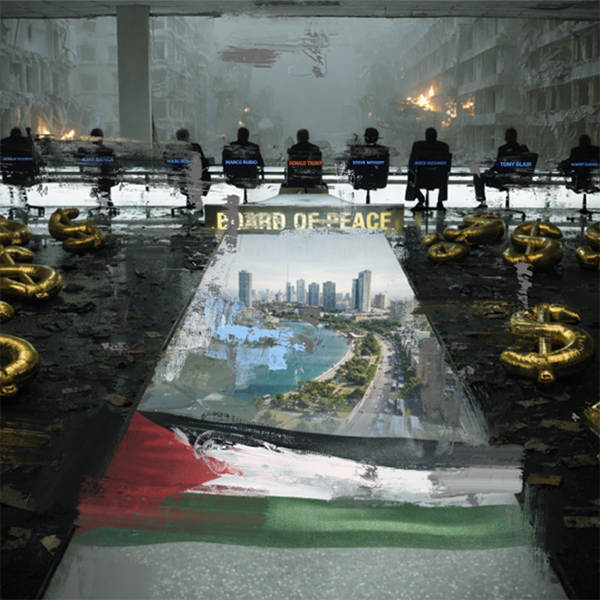
this
is
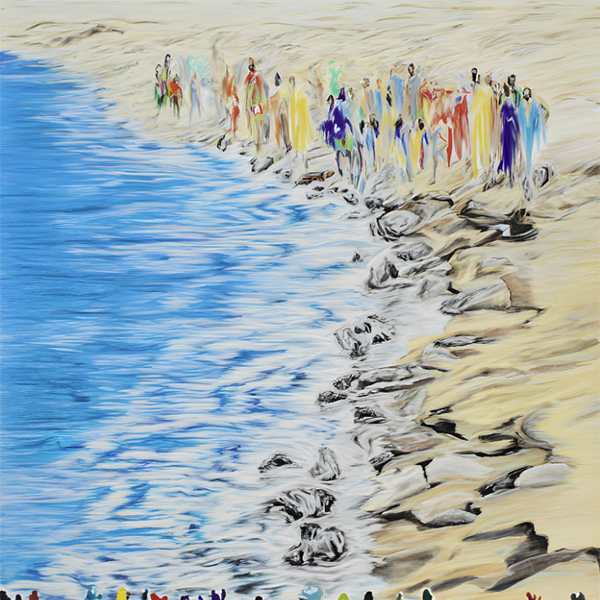
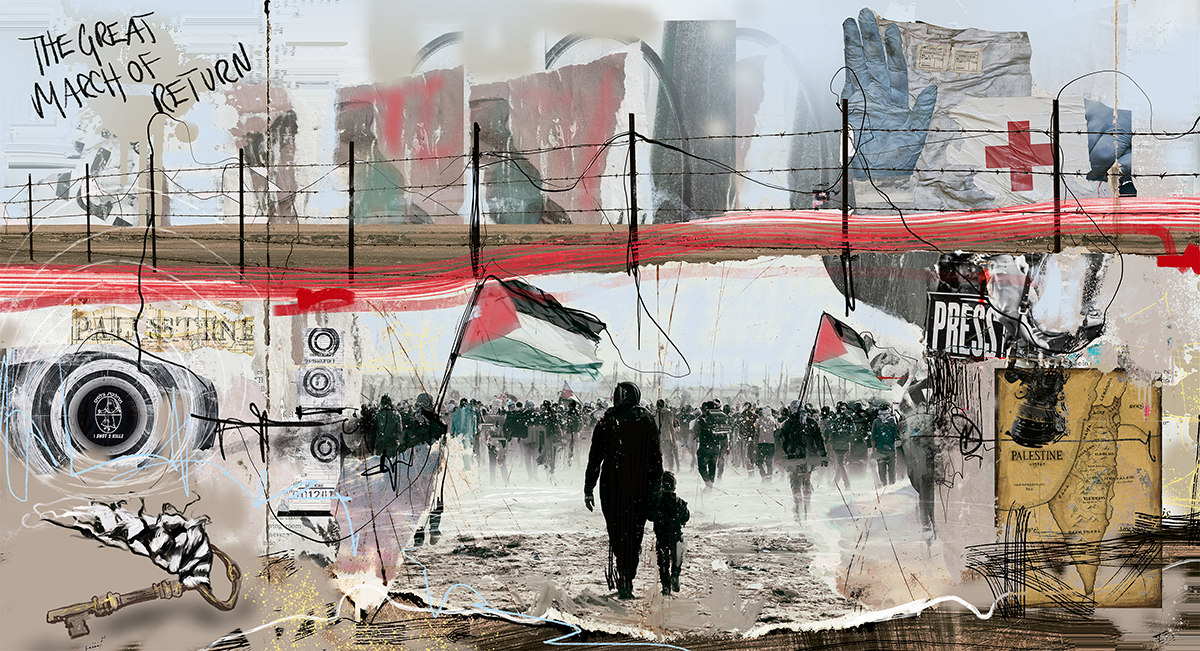
The Great March Of Return
this is
The Great March Of Return
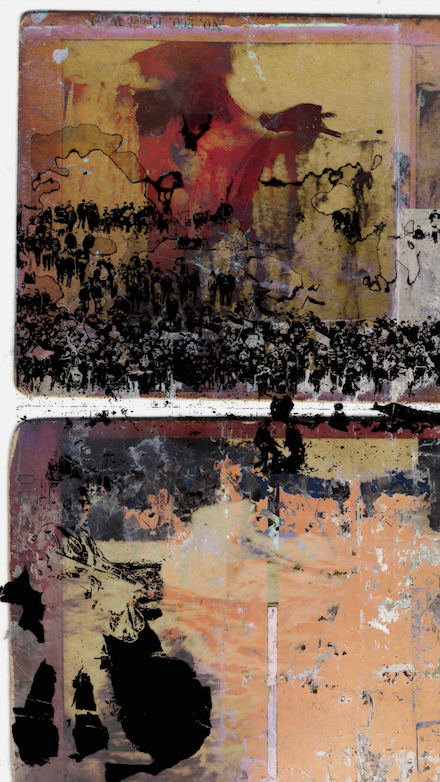
That Palestinians have only sought justice through violence is a myth. In March 2018, Palestinians engaged in peaceful protests in Gaza along the border with Israel, demanding an end to the blockade and the right of return to their land. They were met by bullets, with over 200 Palestinians murdered, including women, children, journalists, and health workers.

The Great March of Return of 2018 was a large-scale Palestinian popular mobilisation in the Gaza Strip, which began on 30 March, on the occasion of Land Day, and continued for months with weekly demonstrations along the border with Israel. Participation was broad, tens of thousands of people, and included families, young people and the elderly, in a form of resistance that was intended to be both symbolic and nonviolent, with two main demands: an end to the blockade imposed on Gaza and the recognition of the right of return of Palestinian refugees to the lands from which their families were expelled in 1948.
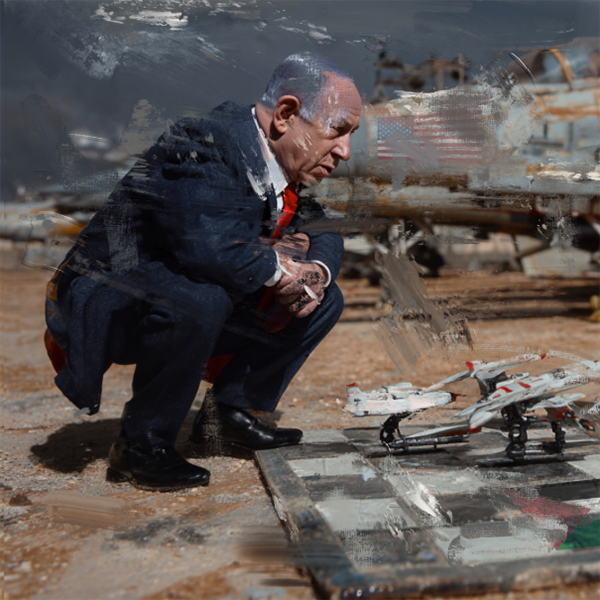
The Israeli army resorted to disproportionate and indiscriminate force, carrying out a violent repression of the protests and firing live ammunition at unarmed demonstrators, bystanders, journalists and medical personnel who did not pose an imminent threat. This resulted in a devastating toll of civilian casualties in Gaza: hundreds killed and thousands injured, including children, women, journalists and healthcare workers.
According to estimates, 223 Palestinians were killed during the protests, including 50 children and 6 women. A total of 30,398 people were injured, including 3,175 children and 1,008 women.
The international community, including the United Nations, condemned the use of lethal force by Israel. A United Nations General Assembly resolution of June 2018 denounced these actions. The use of military weapons against demonstrators who did not pose an imminent threat raised concerns about possible violations of international law, including the Geneva Conventions. Many of these cases have been considered potential war crimes. To date, Israel has faced no direct consequences. The Great March of Return of 2018 represented a collective moment of memory and assertion of identity: an attempt to make visible, before the world, a historical condition of exile, siege and absence of rights. In vain. Created for the project “return()” and the exhibition “Still Here.”
p.i.x.e.l.l.a.r.e. is the digital art practice of a graphic and product designer working across 2D to 4D. Trained under A.G. Fronzoni, he approaches design as a social contract. Whether creating a digital installation or building an exhibition space, his goal remains constant: to create beauty that serves people and contributes to a better world. He favours collaboration over individual ego, approaching the complexity of design alongside a trusted circle of artists, friends and creative professionals.
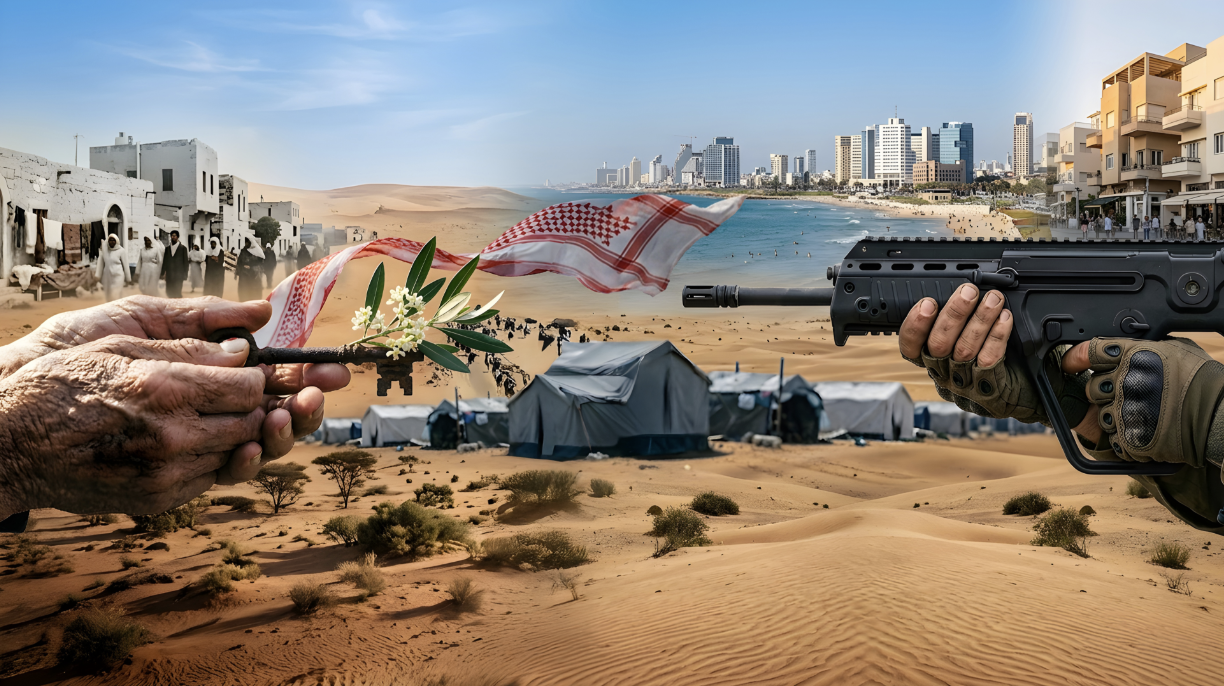
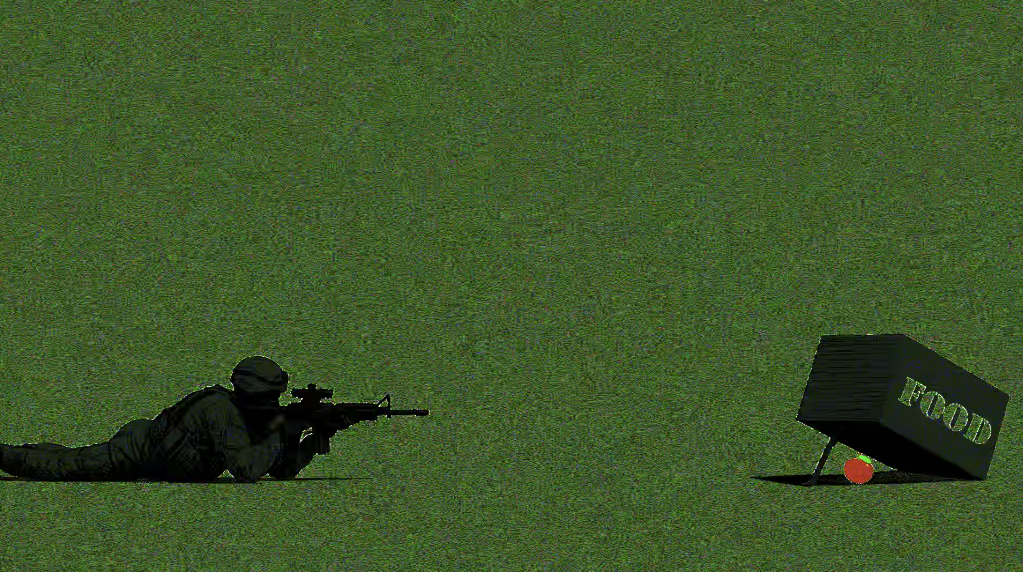
memory versus might
exile versus possession
unbroken hope for rightful return
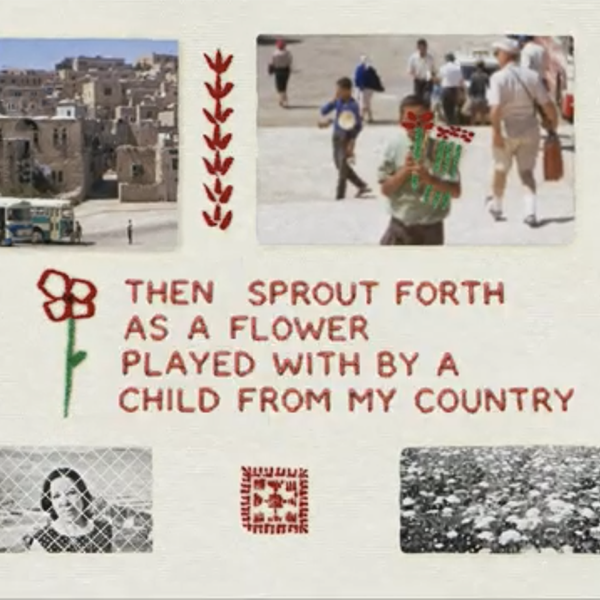
Max Osiris is a visionary artist and early pioneer in the crypto art movement, known for transdimensional and psychedelic art that fuses abstract surrealism with modern themes of technology and consciousness exploration.
Exhibited in museums and solo and groups shows in Los Angeles, Paris, Prague, Miami, Ibiza, Morocco, Cologne, Riyadh, Dubai, Sydney, Barcelona, Lima, and more his works have garnered international attention.
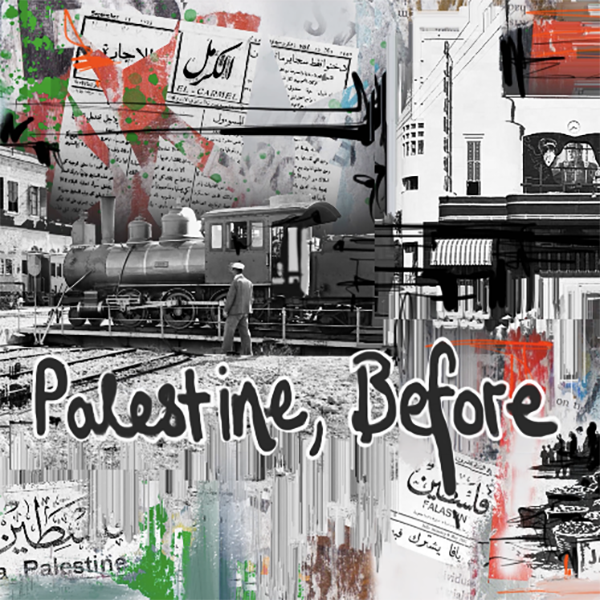
Miss AL Simpson is an award-winning OG cryptoartist and pioneer of AI Cinema, recognised for her role in shaping the evolution of crypto-native and machine-authored art. Her work has been featured by The Washington Post, CNBC and the Financial Times, and exhibited internationally across London, New York, Berlin, Paris, Tokyo and Vancouver.
In 2025, Simpson exhibited AI Cinema work with Sotheby’s New York. Described by Bonhams as “a leading protagonist in the digital avant-garde,” her practice spans analogue ink intervention, digital graffiti, cinematic moving image, blockchain and custom-trained AI systems. Her work explores authorship, surveillance, decentralisation, femininity and post-human identity.